From Storm Recovery to Strategic Redevelopment: Fort Myers Beach’s Turning Point
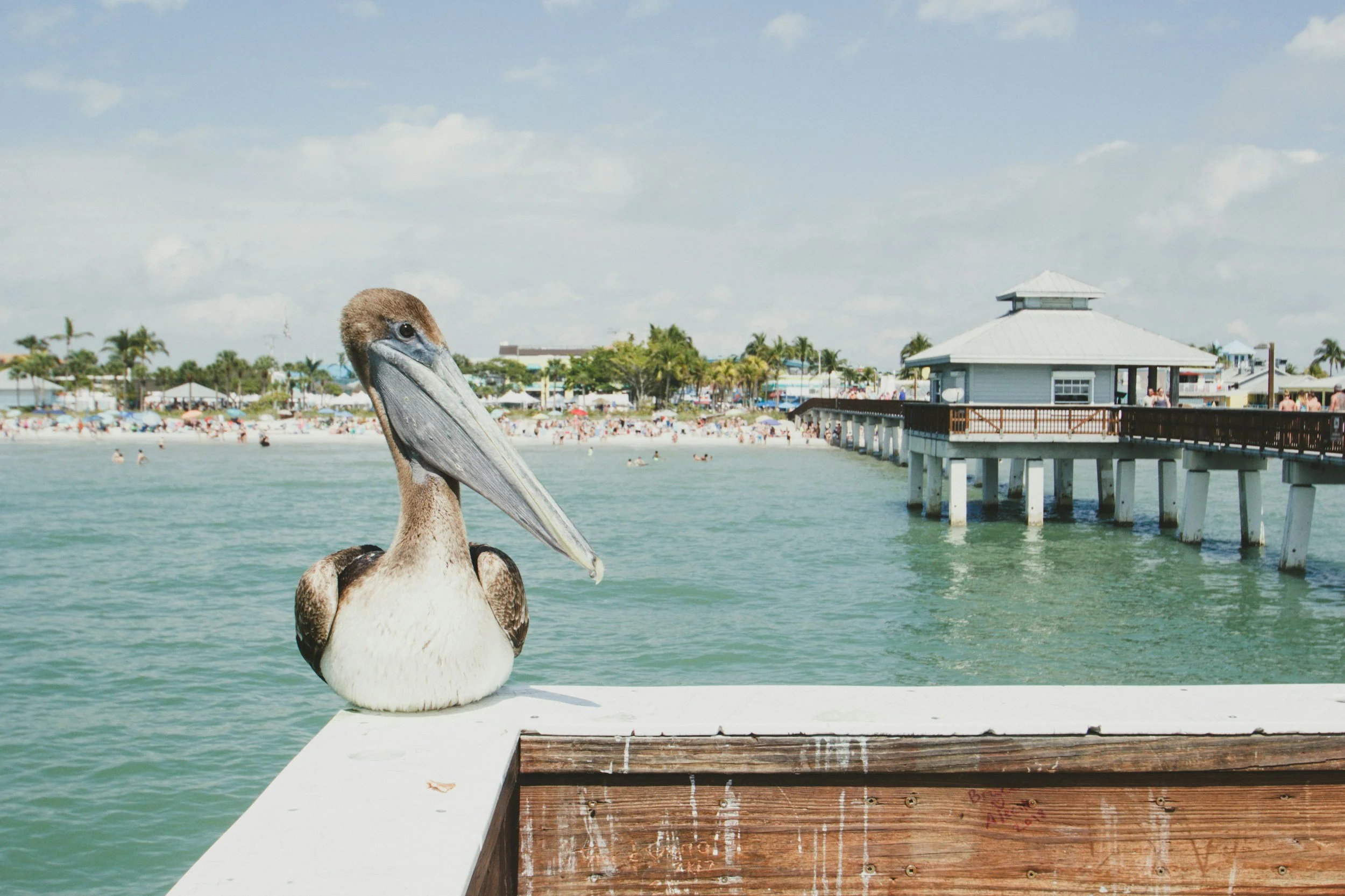
n the months following Hurricane Ian, Fort Myers Beach moved with urgency.
Debris removal, infrastructure stabilization, and reopening access points were the immediate priorities. Those efforts were necessary—and visible. But recovery was never meant to be the end goal. It was the bridge to something longer lasting.
Nearly three years later, Fort Myers Beach is crossing that bridge.
The Shift From Urgency to Intention
Post-storm recovery is often reactive by nature. Strategic redevelopment, by contrast, is deliberate.
Today, the island’s conversation has evolved beyond timelines and repairs to larger questions:
What types of projects belong on Fort Myers Beach?
How should redevelopment balance resilience, character, and economics?
Which sites can anchor long-term stability rather than short-term fixes?
This shift marks a turning point. Decisions made now will shape the island not just for the next market cycle, but for generations.
Why Strategic Redevelopment Matters on Barrier Islands
Barrier islands like Fort Myers Beach operate within fixed limits—geographic, environmental, and infrastructural. That reality makes strategic planning essential.
Redevelopment must account for:
Elevation and flood resilience
Updated building and zoning standards
Infrastructure capacity
Walkability and traffic flow
Year-round economic contribution
Rather than simply replacing what existed before, the focus has shifted toward projects that strengthen the island’s long-term functionality and identity.
Royal Beach Club as a Marker of the Transition
Highly visible properties often reflect broader market transitions. On Fort Myers Beach, Royal Beach Club has become one such marker.
Located at the northern entrance to Estero Island with direct Gulf frontage, the site has remained central to conversations about what strategic redevelopment looks like in practice. Its scale, visibility, and positioning make it a natural reference point for the island’s evolution.
Royal Beach Club illustrates how legacy properties are being reassessed—not simply for rebuild potential, but for how redevelopment aligns with modern expectations around design, experience, and resilience.
Reinvestment Signals Confidence
Strategic redevelopment requires confidence—from investors, lenders, businesses, and the community.
On Fort Myers Beach, that confidence is returning in measured ways:
Businesses reopening and reinvesting
Infrastructure improvements moving forward
Tourism demand steadily recovering
Investors prioritizing well-located, high-impact sites
Reinvestment doesn’t happen all at once. It builds through consistent signals that an area is planning for the future rather than reacting to the past.
A New Phase for Fort Myers Beach
The transition from recovery to redevelopment is subtle, but significant.
It reflects a broader understanding that Fort Myers Beach’s strength lies not just in its location, but in its ability to adapt thoughtfully. Strategic redevelopment allows the island to preserve its character while addressing the realities of modern coastal living.
Sites like Royal Beach Club matter in this phase because they help translate vision into action—demonstrating how scale, planning, and intent can align.
Looking Forward
Fort Myers Beach is no longer defined solely by what it has endured. It is increasingly defined by how it chooses to move forward.
As strategic redevelopment gains momentum, the island’s next chapter will be shaped by decisions that prioritize resilience, experience, and long-term value. Royal Beach Club stands as a visible reminder that recovery was only the beginning—and that the future is being built with intention.