Tourism, Experience, and the Next Generation of Gulf-Front Development on Fort Myers Beach
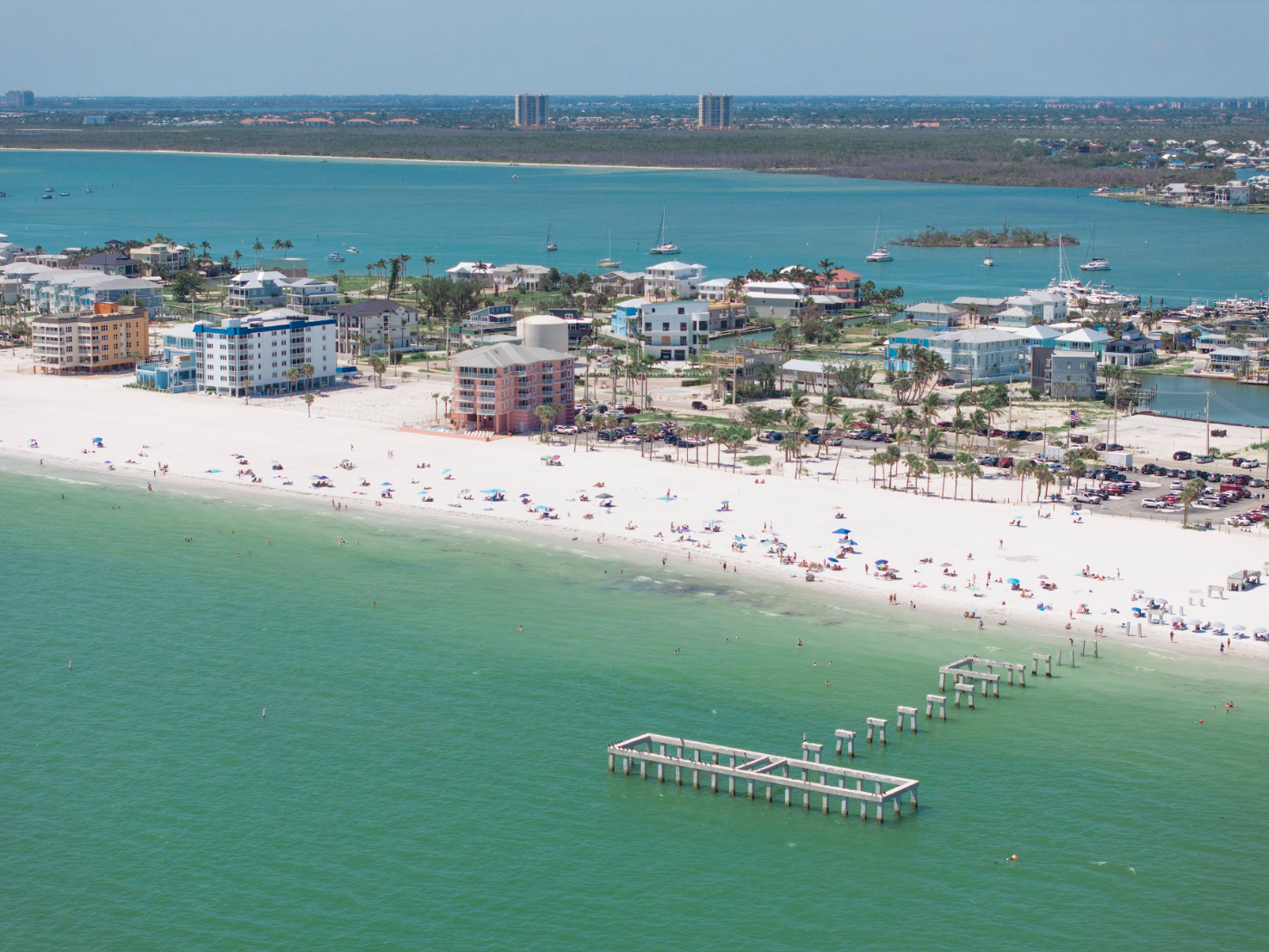
Tourism has always been central to Fort Myers Beach’s identity.
What’s changing is how that demand is expressed. In the years following Hurricane Ian, visitors are returning with new expectations—prioritizing walkability, design, authenticity, and connection to place. This shift is influencing how coastal redevelopment is conceived across the island.
From Destination to Experience
Modern coastal tourism is no longer driven solely by proximity to the beach. Today’s travelers value:
Walkable environments with dining and entertainment nearby
Thoughtful design that reflects local character
Seamless indoor–outdoor experiences
Projects that feel integrated rather than isolated
Fort Myers Beach’s redevelopment momentum reflects this evolution, as projects increasingly focus on how visitors experience the island beyond the shoreline.
Why Experience Matters More Post-Storm
Post-storm rebuilding has accelerated the shift toward experience-driven development.
As communities rebuild, there is an opportunity to improve—not just replace—what existed before. On Fort Myers Beach, this has meant a stronger emphasis on cohesive planning, activated public spaces, and developments that contribute to the island’s energy year-round.
Tourism-driven redevelopment that enhances experience supports longer stays, repeat visits, and broader economic impact.
Royal Beach Club Within the Tourism Corridor
Royal Beach Club’s location at the northern gateway to Estero Island places it within one of the island’s most active tourism corridors.
Surrounded by revitalized dining, marina activity, and waterfront attractions, the site naturally aligns with experience-focused concepts that connect visitors to both the Gulf and the community.
Rather than functioning as a standalone destination, redevelopment opportunities like Royal Beach Club are increasingly evaluated by how they integrate with surrounding activity and enhance the overall visitor journey.
Hospitality, Mixed-Use, and the Coastal Lifestyle
Across Florida’s Gulf Coast, redevelopment is trending toward hospitality-forward and mixed-use environments.
These concepts support:
Year-round economic activity
Flexible uses that adapt to market demand
Lively streetscapes and waterfront engagement
On Fort Myers Beach, such approaches align with tourism fundamentals while reinforcing the island’s character as a social, walkable destination.
The Economic Impact of Experience-Driven Development
Experience-focused redevelopment benefits more than visitors.
It supports local businesses, creates employment opportunities, and strengthens the island’s brand as a desirable place to visit and invest. Over time, this type of development contributes to more resilient economic performance—particularly in tourism-dependent markets.
Royal Beach Club’s scale and positioning allow it to participate meaningfully in this evolution, offering flexibility for concepts that reflect modern coastal expectations.
Looking Ahead
Fort Myers Beach’s next generation of Gulf-front development will be defined by experience.
Projects that connect design, location, and lifestyle will shape how the island is enjoyed for decades. As tourism continues to rebound, sites like Royal Beach Club represent opportunities to elevate the visitor experience while supporting long-term community vitality.