First Impressions Matter: Why Gateway Properties Shape Fort Myers Beach’s Future
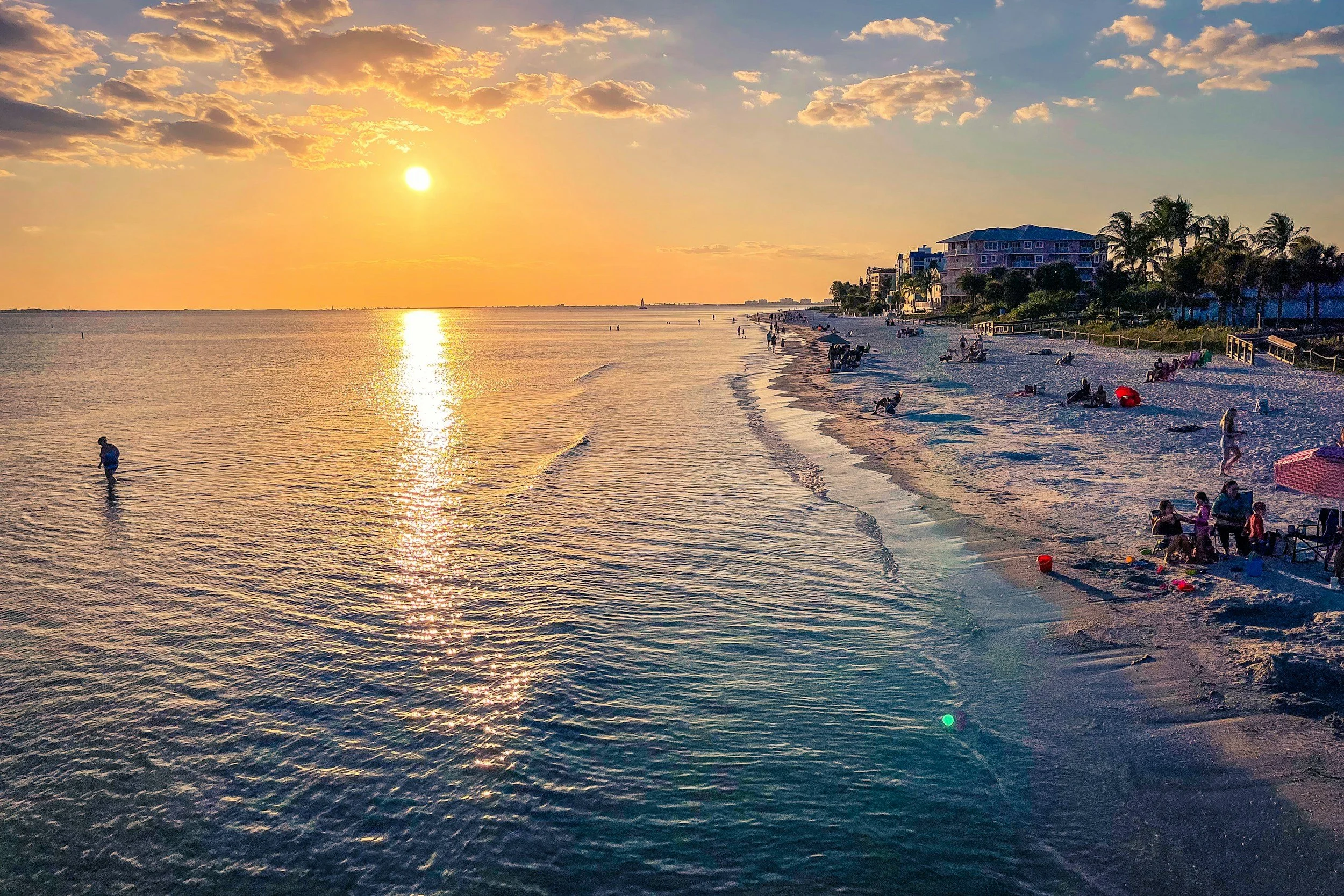
Fort Myers Beach has always been defined by arrival.
The moment you cross onto Estero Island, the island reveals itself—its rhythm, energy, and sense of place. For visitors, it’s the first impression. For residents, it’s a daily reminder of home. And for investors and developers, it’s a signal of confidence, momentum, and direction.
As Fort Myers Beach moves forward nearly three years after Hurricane Ian, those first impressions matter more than ever.
The Role of Gateway Properties in Coastal Communities
Gateway properties sit at the crossroads of experience and infrastructure. They influence traffic patterns, walkability, commercial flow, and visual identity—all before someone ever sets foot on the sand.
On barrier islands like Fort Myers Beach, gateway sites play an even larger role. Limited land, environmental considerations, and high visibility mean that decisions made at these entry points have ripple effects across the entire island.
When thoughtfully planned, gateway redevelopment can:
Establish a cohesive sense of arrival
Support surrounding businesses and tourism activity
Encourage pedestrian-friendly design
Reinforce long-term economic stability
When overlooked, these same sites can feel disconnected, underutilized, or misaligned with the community’s character.
Royal Beach Club: Setting the Tone at the North End
Located at the northern entrance to Fort Myers Beach, Royal Beach Club occupies one of the island’s most prominent positions. With direct Gulf frontage and immediate visibility upon arrival, the site has become a focal point in conversations about what comes next for the island.
As one of the last remaining large-scale Gulf-front redevelopment opportunities on Fort Myers Beach, Royal Beach Club is not simply a parcel of land—it’s a tone-setter.
Its future redevelopment potential places it at the intersection of:
Visitor experience
Community identity
Commercial and hospitality growth
Long-term planning goals
How this site evolves will influence how Fort Myers Beach is perceived for decades, particularly as tourism and investment activity continues to return.
From Recovery to Intentional Reinvestment
In the immediate aftermath of Hurricane Ian, the island’s priority was recovery—clearing debris, restoring access, and ensuring safety. That phase, while critical, was only the beginning.
Today, Fort Myers Beach is entering a more intentional chapter. The conversation has shifted from what was lost to what should be built next.
Gateway properties like Royal Beach Club sit at the heart of that transition. They reflect a broader emphasis on:
Resilient construction
Thoughtful design
Walkable, experience-driven environments
Projects that contribute to the island year-round
This phase of redevelopment is less about speed and more about stewardship.
Why First Impressions Drive Long-Term Value
In coastal real estate, perception and performance are deeply connected. A strong first impression reinforces confidence—from tourists choosing destinations to investors committing long-term capital.
For Fort Myers Beach, gateway redevelopment represents an opportunity to:
Signal stability after disruption
Align new projects with the island’s character
Support sustainable economic growth
Create welcoming, cohesive entry points
Royal Beach Club’s location and scale make it uniquely positioned to support those outcomes.
Looking Ahead for Fort Myers Beach
As Fort Myers Beach continues to rebuild and redefine itself, gateway sites will play a critical role in shaping its identity. These properties are not just about what rises from the ground, but about how the island feels, functions, and flourishes over time.
Royal Beach Club stands as a compelling example of how legacy Gulf-front properties can help guide that future—anchoring progress, reinforcing confidence, and setting the tone for what comes next on Fort Myers Beach.